Copaiba Oleoresin
Open cuts, skin infections, eczema, slow-healing wounds
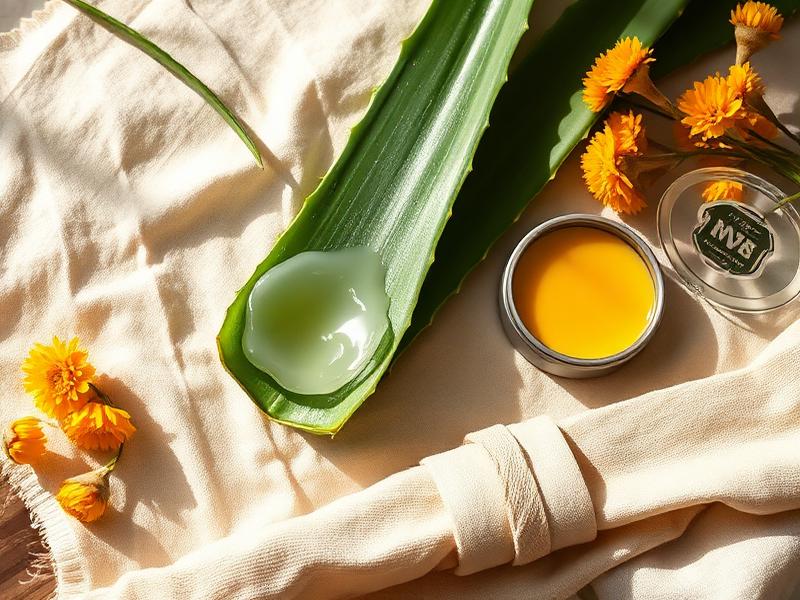
Region
Amazon Basin
Tradition
Brazilian & Amazonian folk medicine (Secoya, Ticuna)
Era
Pre-Columbian era; documented 1600s
Science
Yes
Today
Widely Practiced Today
Instructions
Traditional logic
Acts as a liquid bandage that seals skin and draws out infection
Background & history
FACT-CHECK: use and 1600s documentation verified (16th-century Spanish/Portuguese settler accounts). One ethnobotanical origin story holds that Indigenous peoples learned of its healing property by observing wounded animals rubbing against copaiba tree trunks.
Where it comes from
Amazon Basin
Community notes
Loading notes…
This is a historical and cultural reference, not medical advice. Many of these remedies have never been scientifically validated, and folk reasoning (humoral theory, “hot/cold” classifications, spiritual causation) reflects older explanatory traditions rather than modern medicine. Ratings reflect community opinion, not clinical evidence.
Related remedies for Open cuts, skin infections, eczema, slow-healing wounds
Honey for Wounds & Burns
Open wounds, burns, skin ulcers
Egypt · Mesopotamia
Aloe Vera
Burns, wounds, skin irritation, constipation
Africa · Arabian Peninsula
Moldy Bread / Mold Poultice
Infected wounds
Egypt · Australia · Central Asia · France