Aloe Vera
Burns, wounds, skin irritation, constipation
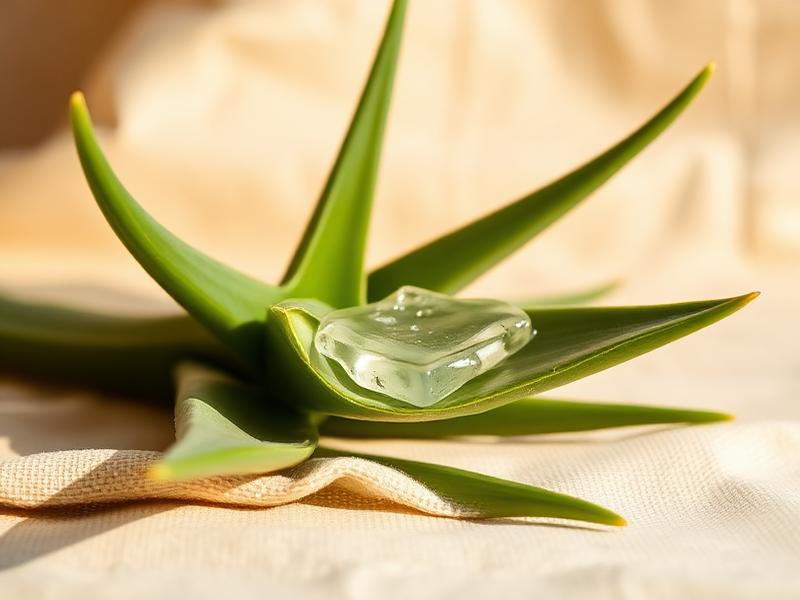
Region
Africa / Arabian Peninsula
Tradition
Ancient Egyptian; spread via Arab trade to Europe & Americas
Era
~2100 BCE (Sumerian tablets)
Science
Yes
Today
Widely Practiced Today
Instructions
Traditional logic
Gel's water-retaining appearance linked to hydration/cooling (doctrine of signatures)
Background & history
The name 'aloe' derives from the Arabic alloeh ('a shining bitter substance'); Arab traders called it 'sabar' (patience) for its slow growth. European monks kept it in monastery physic gardens through the medieval period; it reached the Americas only after Spanish colonization.
Where it comes from
Africa / Arabian Peninsula
Community notes
Loading notes…
This is a historical and cultural reference, not medical advice. Many of these remedies have never been scientifically validated, and folk reasoning (humoral theory, “hot/cold” classifications, spiritual causation) reflects older explanatory traditions rather than modern medicine. Ratings reflect community opinion, not clinical evidence.
Related remedies for Burns, wounds, skin irritation, constipation
Honey for Wounds & Burns
Open wounds, burns, skin ulcers
Egypt · Mesopotamia
Moldy Bread / Mold Poultice
Infected wounds
Egypt · Australia · Central Asia · France
Bitter Herbs (Cape Aloe, Bitter Leaf)
Constipation, digestive complaints, 'purifying' the body
Southern Africa · West Africa