Honey for Wounds & Burns
Open wounds, burns, skin ulcers
Region
Egypt / Mesopotamia
Tradition
Ancient Egyptian medicine (also TCM, Ayurveda, Greek)
Era
~4000 years (Sumerian tablets); Egyptian 'Three Healing Gestures'
Science
Yes
Today
Widely Practiced Today
Instructions
Traditional logic
Observed to reduce festering; later found to have real antibacterial/osmotic action
Background & history
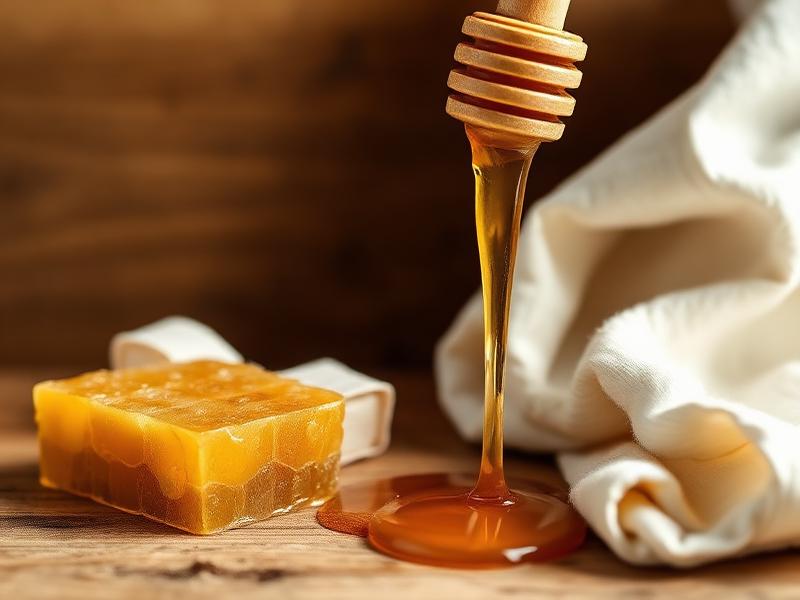
Egyptian medical papyri describe washing the wound, applying a honey/animal-fat/vegetable-fiber plaster, then bandaging — strikingly similar to modern wound care. Caveat: raw honey can contain bacterial spores unsuitable for open-wound use by modern standards; hospital-grade honey is sterilized to address this.
Where it comes from
Egypt / Mesopotamia
Community notes
Loading notes…
This is a historical and cultural reference, not medical advice. Many of these remedies have never been scientifically validated, and folk reasoning (humoral theory, “hot/cold” classifications, spiritual causation) reflects older explanatory traditions rather than modern medicine. Ratings reflect community opinion, not clinical evidence.
Related remedies for Open wounds, burns, skin ulcers
Aloe Vera
Burns, wounds, skin irritation, constipation
Africa · Arabian Peninsula
Moldy Bread / Mold Poultice
Infected wounds
Egypt · Australia · Central Asia · France
Echinacea
Colds, sore throat, infections, wounds
North America