Moldy Bread / Mold Poultice
Infected wounds
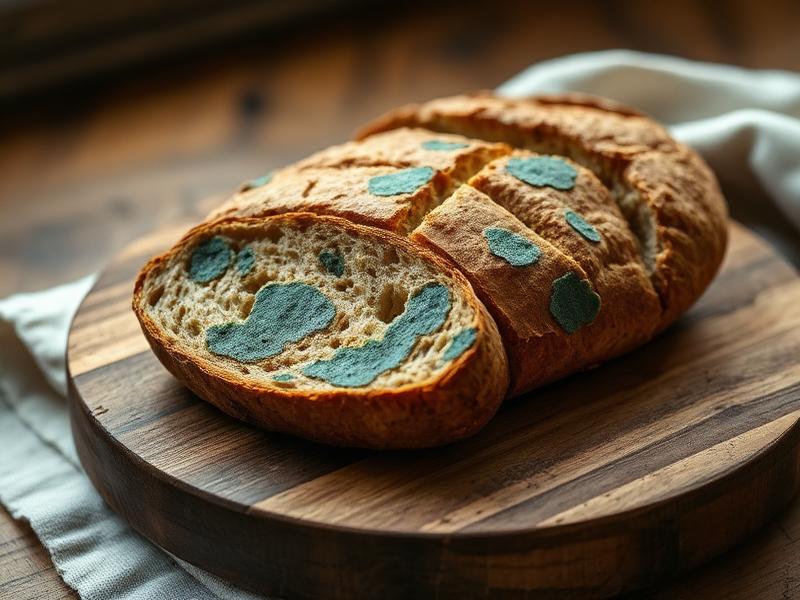
Region
Egypt; independently Aboriginal Australia, Central Asia, France
Tradition
Multiple independent traditions
Era
Ancient Egypt onward
Science
Yes
Today
Rare Today
Instructions
Traditional logic
Empirically observed mold seemed to help infected wounds (later explained by natural antibiotics)
Background & history
Aboriginal Australians scraped mold from eucalyptus trees; Central Asian holy men used a paste of moldy barley and apple; French peasants used moldy bread and jam well before the 20th century — independent discoveries later explained by Alexander Fleming's 1928 identification of penicillin.
Where it comes from
Egypt; independently Aboriginal Australia, Central Asia, France
Community notes
Loading notes…
This is a historical and cultural reference, not medical advice. Many of these remedies have never been scientifically validated, and folk reasoning (humoral theory, “hot/cold” classifications, spiritual causation) reflects older explanatory traditions rather than modern medicine. Ratings reflect community opinion, not clinical evidence.
Related remedies for Infected wounds
Honey for Wounds & Burns
Open wounds, burns, skin ulcers
Egypt · Mesopotamia
Aloe Vera
Burns, wounds, skin irritation, constipation
Africa · Arabian Peninsula
Echinacea
Colds, sore throat, infections, wounds
North America