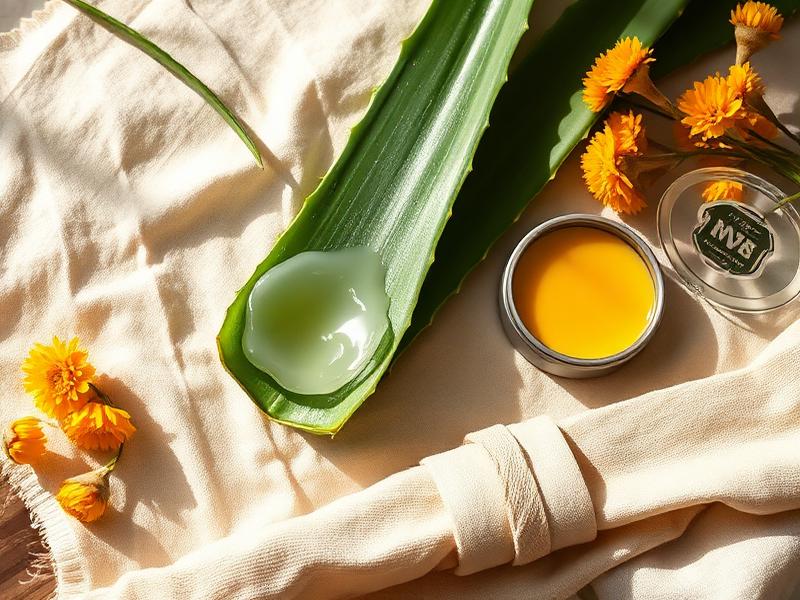
Calendula Salve
Minor burns, grazes, chapped and irritated skin
Region
Europe
Tradition
European herbal tradition
Era
Medieval Europe onward
Science
Partial
Today
Widely Practiced Today
Instructions
Traditional logic
A marigold-infused salve applied to help sore skin knit and settle
Background & history
no further information
Where it comes from
Europe
Community notes
Loading notes…
This is a historical and cultural reference, not medical advice. Many of these remedies have never been scientifically validated, and folk reasoning (humoral theory, “hot/cold” classifications, spiritual causation) reflects older explanatory traditions rather than modern medicine. Ratings reflect community opinion, not clinical evidence.
Related remedies for Minor burns, grazes, chapped and irritated skin
Honey for Wounds & Burns
Open wounds, burns, skin ulcers
Egypt · Mesopotamia
Aloe Vera
Burns, wounds, skin irritation, constipation
Africa · Arabian Peninsula
Moldy Bread / Mold Poultice
Infected wounds
Egypt · Australia · Central Asia · France
Frequently asked questions
Is Calendula Salve good for burns?
There is partial or preliminary scientific evidence for using Calendula Salve for burns, but it has not been fully validated. This page is a cultural reference, not medical advice.
How do you use Calendula Salve for burns?
Ingredients Dried calendula (marigold) flowers: 1 cup Olive or sunflower oil: 1 cup (240 ml) Beeswax: 30 g Step-by-Step Warm the flowers in the oil over very low heat for two hours, then strain. Melt the beeswax into the warm oil and pour into clean jars to set. Smooth a thin layer over clean, inta…
Where does the Calendula Salve tradition come from?
Calendula Salve comes from the European herbal tradition tradition, originating in Europe, Mediterranean. It dates to Medieval Europe onward.
Is Calendula Salve still used today?
Calendula Salve is widely practiced today.