Bitter Herbs (Cape Aloe, Bitter Leaf)
Constipation, digestive complaints, 'purifying' the body
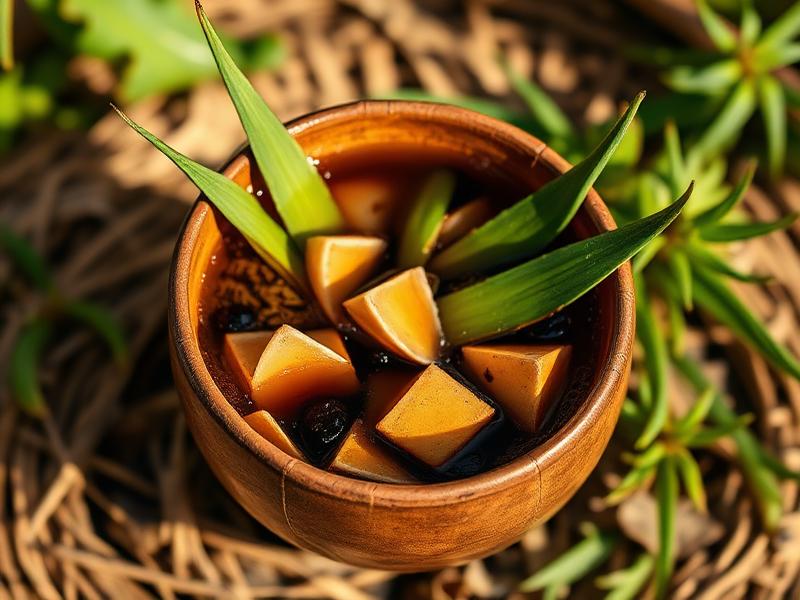
Region
Southern & West Africa
Tradition
Traditional African Medicine
Era
Long-standing oral tradition
Science
Partial
Today
Widely Practiced Today
Instructions
Traditional logic
Bitterness directly associated with stimulating gastric juices/purifying effect
Background & history
Specifically involves Aloe ferox (Cape aloe) sap taken in small doses (0.05–0.2 g); a similar bitters approach was historically incorporated into European preparations like Swedish Bitters. Knowledge is passed down orally, often centered on grandmothers as primary community healers.
Where it comes from
Southern & West Africa
Community notes
Loading notes…
This is a historical and cultural reference, not medical advice. Many of these remedies have never been scientifically validated, and folk reasoning (humoral theory, “hot/cold” classifications, spiritual causation) reflects older explanatory traditions rather than modern medicine. Ratings reflect community opinion, not clinical evidence.
Related remedies for Constipation, digestive complaints, 'purifying' the body
Aloe Vera
Burns, wounds, skin irritation, constipation
Africa · Arabian Peninsula
Manzanilla (Chamomile) Tea
Stomachaches, colic, nervousness, sleeplessness
Europe · Latin America
Ginger for Nausea
Nausea, motion sickness, indigestion
China