Tea Tree Leaf Poultice & Tea
Wounds, throat ailments
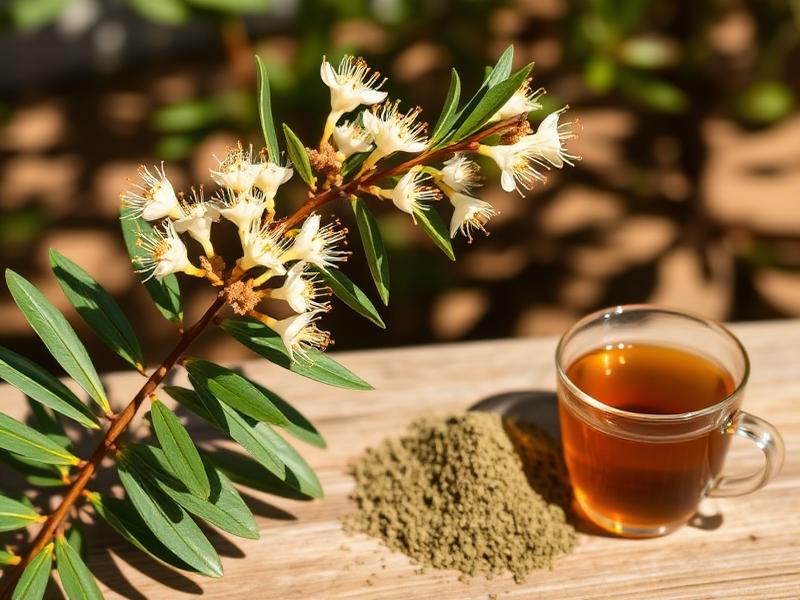
Region
Australia (NSW coast)
Tradition
Bundjalung Aboriginal tradition
Era
Millennia; formally studied 1920s
Science
Yes
Today
Widely Practiced Today
Instructions
Traditional logic
Antiseptic effect observed empirically; confirmed in 1920s lab tests as stronger than standard antiseptics
Background & history
no further information
Where it comes from
Australia (NSW coast)
Community notes
Loading notes…
This is a historical and cultural reference, not medical advice. Many of these remedies have never been scientifically validated, and folk reasoning (humoral theory, “hot/cold” classifications, spiritual causation) reflects older explanatory traditions rather than modern medicine. Ratings reflect community opinion, not clinical evidence.
Related remedies for Wounds, throat ailments
Golden Milk/Haldi Doodh (Turmeric milk)
Colds, Cough, Congestion, Sore Throat
India
Honey for Wounds & Burns
Open wounds, burns, skin ulcers
Egypt · Mesopotamia
Aloe Vera
Burns, wounds, skin irritation, constipation
Africa · Arabian Peninsula