Lemon Balm Tea
Anxiety, restlessness, trouble sleeping, nervous stomach
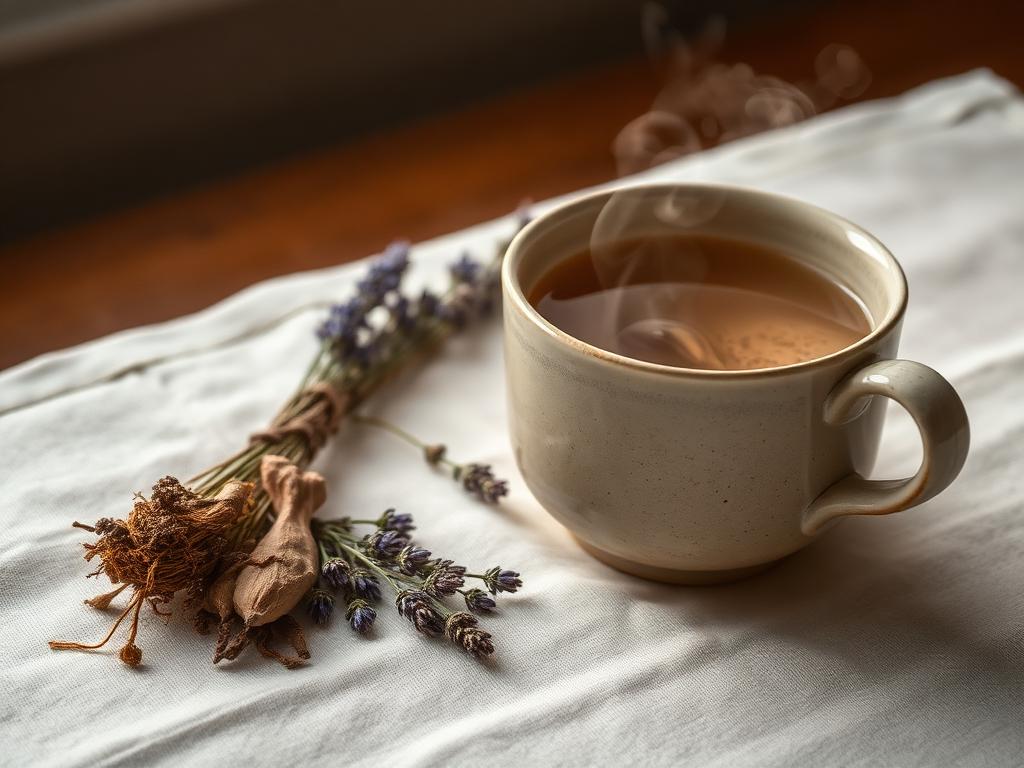
Region
Europe
Tradition
European monastic and household herbalism
Era
Medieval Europe onward
Science
Partial
Today
Widely Practiced Today
Instructions
Traditional logic
A gentle lemon-scented herb drunk to quiet the nerves and settle the stomach
Background & history
no further information
Where it comes from
Europe
Community notes
Loading notes…
This is a historical and cultural reference, not medical advice. Many of these remedies have never been scientifically validated, and folk reasoning (humoral theory, “hot/cold” classifications, spiritual causation) reflects older explanatory traditions rather than modern medicine. Ratings reflect community opinion, not clinical evidence.
Related remedies for Anxiety, restlessness, trouble sleeping, nervous stomach
Bitter Herbs (Cape Aloe, Bitter Leaf)
Constipation, digestive complaints, 'purifying' the body
Southern Africa · West Africa
Umeboshi (Pickled Plum) in Rice Porridge
Colds, flu, nausea, hangover, digestive upset
Japan
Fever Grass (Lemongrass) Tea
Fever, colds, stress, digestion
Jamaica
Frequently asked questions
Is Lemon Balm Tea good for anxiety?
There is partial or preliminary scientific evidence for using Lemon Balm Tea for anxiety, but it has not been fully validated. This page is a cultural reference, not medical advice.
How do you use Lemon Balm Tea for anxiety?
Ingredients Fresh or dried lemon balm leaves: 2 teaspoons dried (1 tablespoon fresh) Hot water: 1 cup (240 ml) Step-by-Step Pour just-boiled water over the leaves. Cover and steep 10 minutes. Strain and drink in the evening, or whenever nerves are jangled. Tips Often blended with chamomile for a st…
Where does the Lemon Balm Tea tradition come from?
Lemon Balm Tea comes from the European monastic and household herbalism tradition, originating in Europe, Mediterranean. It dates to Medieval Europe onward.
Is Lemon Balm Tea still used today?
Lemon Balm Tea is widely practiced today.