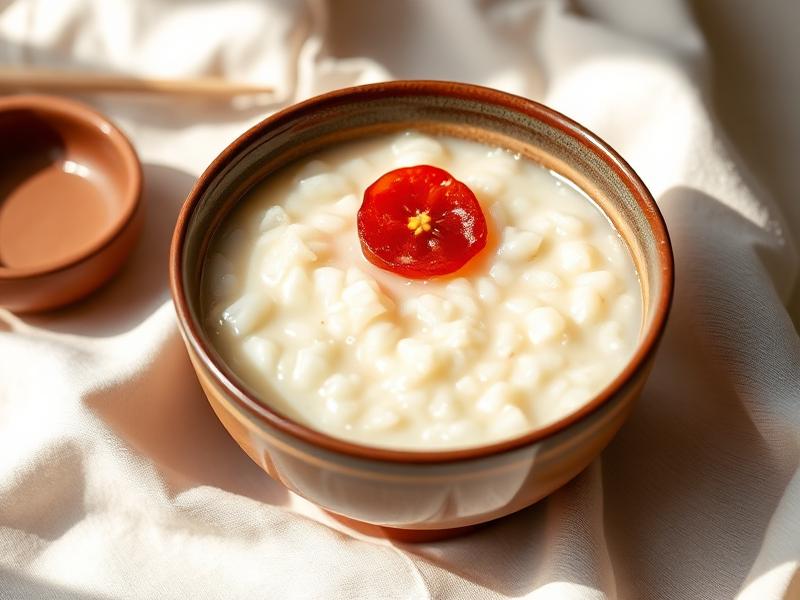
Umeboshi (Pickled Plum) in Rice Porridge
Colds, flu, nausea, hangover, digestive upset
Region
Japan
Tradition
Japanese folk medicine (ume from China, ~700 CE)
Era
Heian period (794-1185) medicinal use; Edo period widespread
Science
Partial
Today
Widely Practiced Today
Instructions
Traditional logic
High acidity believed to fight bacteria/viruses and 'alkalize' the body
Background & history
no further information
Where it comes from
Japan
Community notes
Loading notes…
This is a historical and cultural reference, not medical advice. Many of these remedies have never been scientifically validated, and folk reasoning (humoral theory, “hot/cold” classifications, spiritual causation) reflects older explanatory traditions rather than modern medicine. Ratings reflect community opinion, not clinical evidence.
Related remedies for Colds, flu, nausea, hangover, digestive upset
Golden Milk/Haldi Doodh (Turmeric milk)
Colds, Cough, Congestion, Sore Throat
India
Ginger Tea (Wind-Cold)
Common cold, chills, body aches
China
Chicken Soup ('Jewish Penicillin')
Colds, flu, weakness, convalescence
Middle East · Mediterranean · China