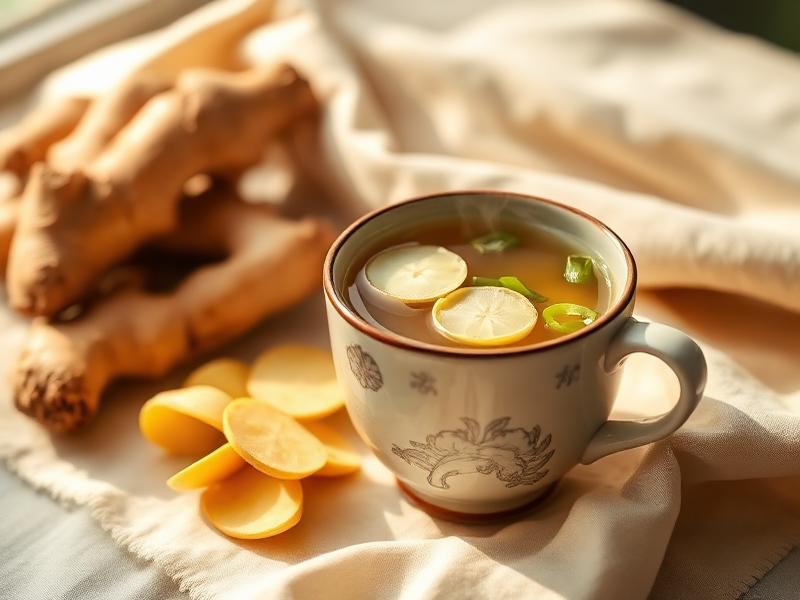
Ginger Tea (Wind-Cold)
Common cold, chills, body aches
Region
China
Tradition
Traditional Chinese Medicine
Era
~4th century BCE–present
Science
Partial
Today
Widely Practiced Today
Instructions
Traditional logic
Pungent 'warming' herb believed to expel cold pathogen via induced sweating
Background & history
Ginger is considered one of the most important 'guiding herbs' in TCM formulas, added to harmonize other remedies. For wind-heat colds (fever, yellow mucus) cooling mint tea is used instead. Ginger + scallion is a classic combination for the earliest signs of a cold.
Where it comes from
China
Community notes
Loading notes…
This is a historical and cultural reference, not medical advice. Many of these remedies have never been scientifically validated, and folk reasoning (humoral theory, “hot/cold” classifications, spiritual causation) reflects older explanatory traditions rather than modern medicine. Ratings reflect community opinion, not clinical evidence.
Related remedies for Common cold, chills, body aches
Golden Milk/Haldi Doodh (Turmeric milk)
Colds, Cough, Congestion, Sore Throat
India
Chicken Soup ('Jewish Penicillin')
Colds, flu, weakness, convalescence
Middle East · Mediterranean · China
Mustard Plaster
Chest congestion, bronchitis, muscle aches
Mesopotamia · Greece · Europe