Steam Inhalation
Nasal congestion, sinus pressure, cough
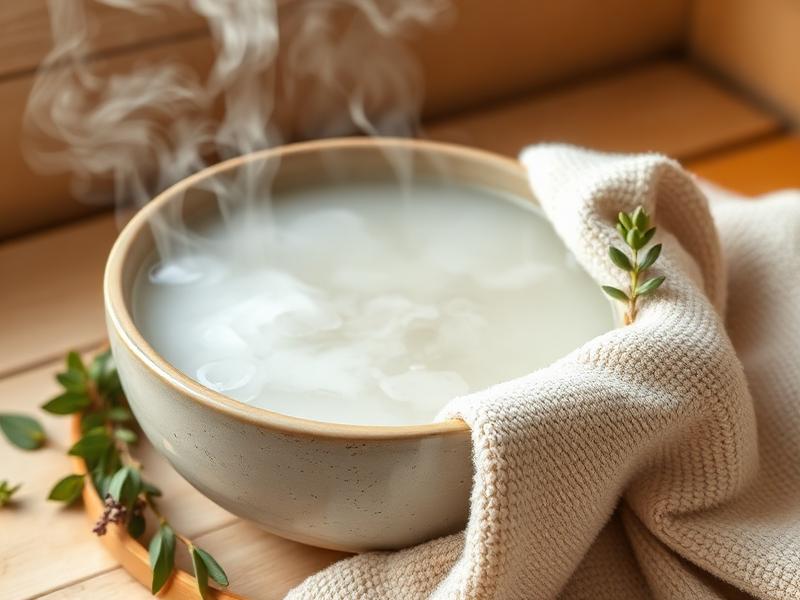
Region
Independently worldwide
Tradition
Near-universal folk practice
Era
Ancient, undated (independent origin)
Science
Yes
Today
Widely Practiced Today
Instructions
Traditional logic
Warm moist air intuitively observed to loosen thick mucus
Background & history
Herbs like eucalyptus or menthol-containing plants are often added once available, for their additional 'opening' sensation.
Where it comes from
Independently worldwide
Community notes
Loading notes…
This is a historical and cultural reference, not medical advice. Many of these remedies have never been scientifically validated, and folk reasoning (humoral theory, “hot/cold” classifications, spiritual causation) reflects older explanatory traditions rather than modern medicine. Ratings reflect community opinion, not clinical evidence.
Related remedies for Nasal congestion, sinus pressure, cough
Golden Milk/Haldi Doodh (Turmeric milk)
Colds, Cough, Congestion, Sore Throat
India
Ginger Tea (Wind-Cold)
Common cold, chills, body aches
China
Chicken Soup ('Jewish Penicillin')
Colds, flu, weakness, convalescence
Middle East · Mediterranean · China