Shilajit / Mumijo
Bone fracture recovery, joint pain, muscle weakness, fatigue
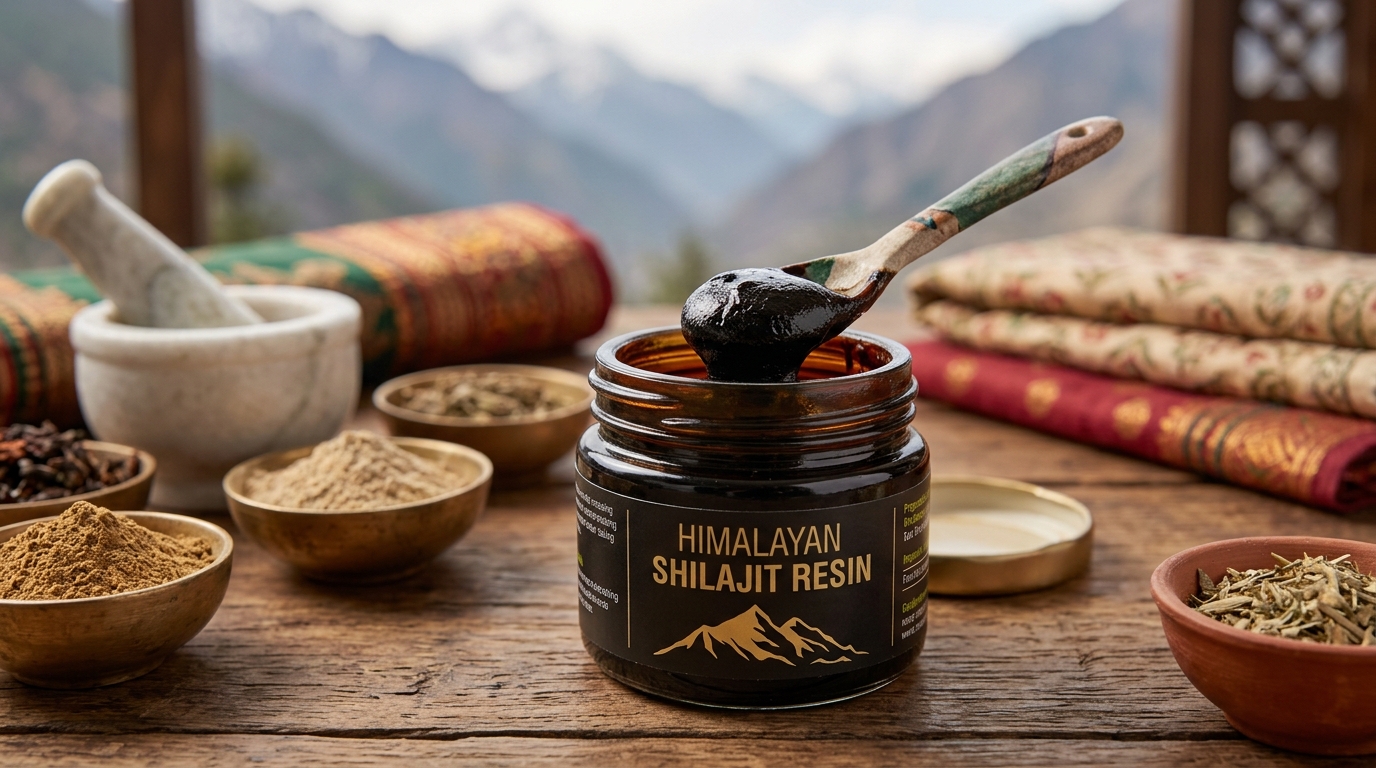
Region
Himalayas, Altai, Caucasus
Tradition
Ayurveda, Unani & Central Asian medicine
Era
Sanskrit classical texts (Charaka Samhita, ~600 BCE)
Science
Partial
Today
Widely Practiced Today
Instructions
Traditional logic
Believed to carry mountain strength into human bones and marrow
Background & history
FACT-CHECK: fully verified. Legend holds that Arjuna, the warrior of the Hindu epic Mahabharata, consumed shilajit for strength in battle — sources are explicit this is unverified legend, not documented history.
Where it comes from
Himalayas, Altai, Caucasus
Community notes
Loading notes…
This is a historical and cultural reference, not medical advice. Many of these remedies have never been scientifically validated, and folk reasoning (humoral theory, “hot/cold” classifications, spiritual causation) reflects older explanatory traditions rather than modern medicine. Ratings reflect community opinion, not clinical evidence.
Related remedies for Bone fracture recovery, joint pain, muscle weakness, fatigue
Sobada (Abdominal Massage)
Empacho, digestive blockage, musculoskeletal pain
Mexico
Black Seed, Honey & Olive Oil Trio
General wellness, immune support, fatigue
Arabian Peninsula
Hilot (Traditional Massage)
Muscle pain, colic, sprains, energy imbalance
Philippines