Back to explore
Respiratory & Cold

Mustard Plaster

Chest congestion, bronchitis, muscle aches
AilmentsChest CongestionBronchitisMuscle Aches
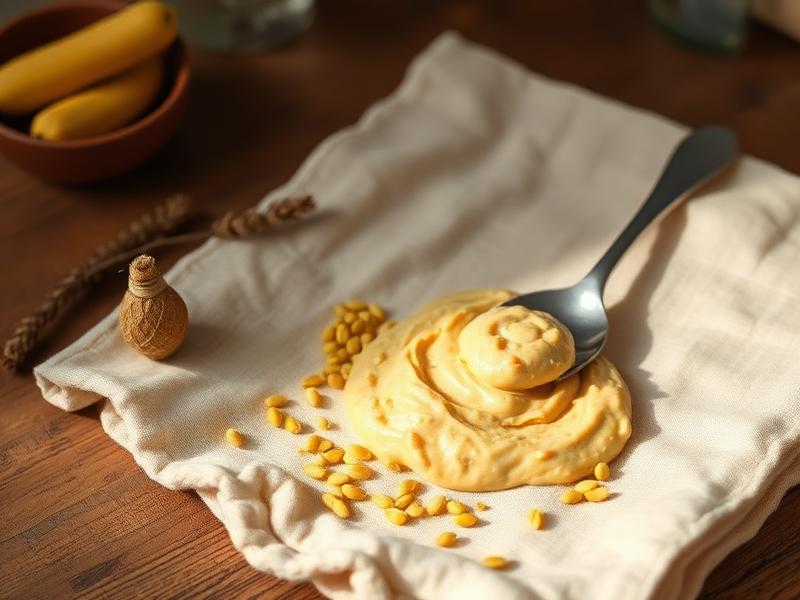
Mustard Plaster — traditional remedy ingredients
No ratings yet — be the first.

Region

Mesopotamia / Greece / Europe

Tradition

Greco-Roman medicine, later pan-European folk & official medicine

Era

~3000 BCE origins; peak use 18th-19th c.

Science

Partial

Today

Niche / Regional

Instructions

Ingredients
Mustard powder (dry): 1 tablespoon
All-purpose flour: 2 to 4 tablespoons (more flour = gentler plaster; less = stronger and hotter)
Warm water: enough to form a paste (start with 2 to 3 tablespoons)
Olive oil or another carrier oil: for protecting the skin
Clean cotton cloth or towel: 2 pieces (one to hold the paste, one as an outer layer)

Step-by-Step
Mix the dry ingredients: In a bowl, combine the mustard powder and flour. Use roughly a 1:4 ratio (mustard:flour) for a gentle plaster suitable for sensitive skin, or up to 1:2 for a stronger plaster for daytime chest congestion only.
Add water: Slowly stir in warm water until the mixture reaches a smooth, spreadable, pancake-batter consistency.
Protect the skin: Coat the chest area with a liberal layer of olive oil — this creates a barrier and helps prevent burns.
Assemble the plaster: Spread the mustard paste evenly onto one cloth, then fold or cover with the second cloth so the paste never touches skin directly.
Apply and monitor: Place the wrapped plaster on the chest. Check the skin every 5 minutes and remove immediately if it becomes red, blistered, or uncomfortably hot — do not wait for the full time to elapse if this happens.
Remove: Take the plaster off after 10 to 20 minutes (never longer than 30 minutes), then rinse the area with warm water.

Tips
Never apply mustard paste directly to the skin — always use a cloth barrier, or it can cause chemical burns.
Not for children, infants, or anyone with sensitive or broken skin — historical accounts include real burn injuries from this remedy.
Rest afterward: the plaster is traditionally followed by resting in bed, since it may bring congestion to the surface.

Traditional logic

Counterirritant - skin irritation draws blood flow & warmth to loosen congestion

Background & history

Hippocrates (c. 460–370 BCE) reportedly recommended mustard packs for lung conditions, and Dioscorides prescribed mustard plasters in his 1st-century De Materia Medica. Became a staple of official Western pharmacopeias by the 18th–19th c., prescribed by physicians before falling out of favor with antibiotics.

Where it comes from

Mesopotamia / Greece / Europe

Highlighted on the map: Russia, Norway, France, Iraq, Syria, Sweden, Belarus, Ukraine, Poland, Austria, Hungary, Moldova and 28 more

Rate this remedy

No account needed. You can change your rating any time from this browser.

Tap to rate

This is a historical and cultural reference, not medical advice. Many of these remedies have never been scientifically validated, and folk reasoning (humoral theory, “hot/cold” classifications, spiritual causation) reflects older explanatory traditions rather than modern medicine. Ratings reflect community opinion, not clinical evidence.

Related remedies

Admin