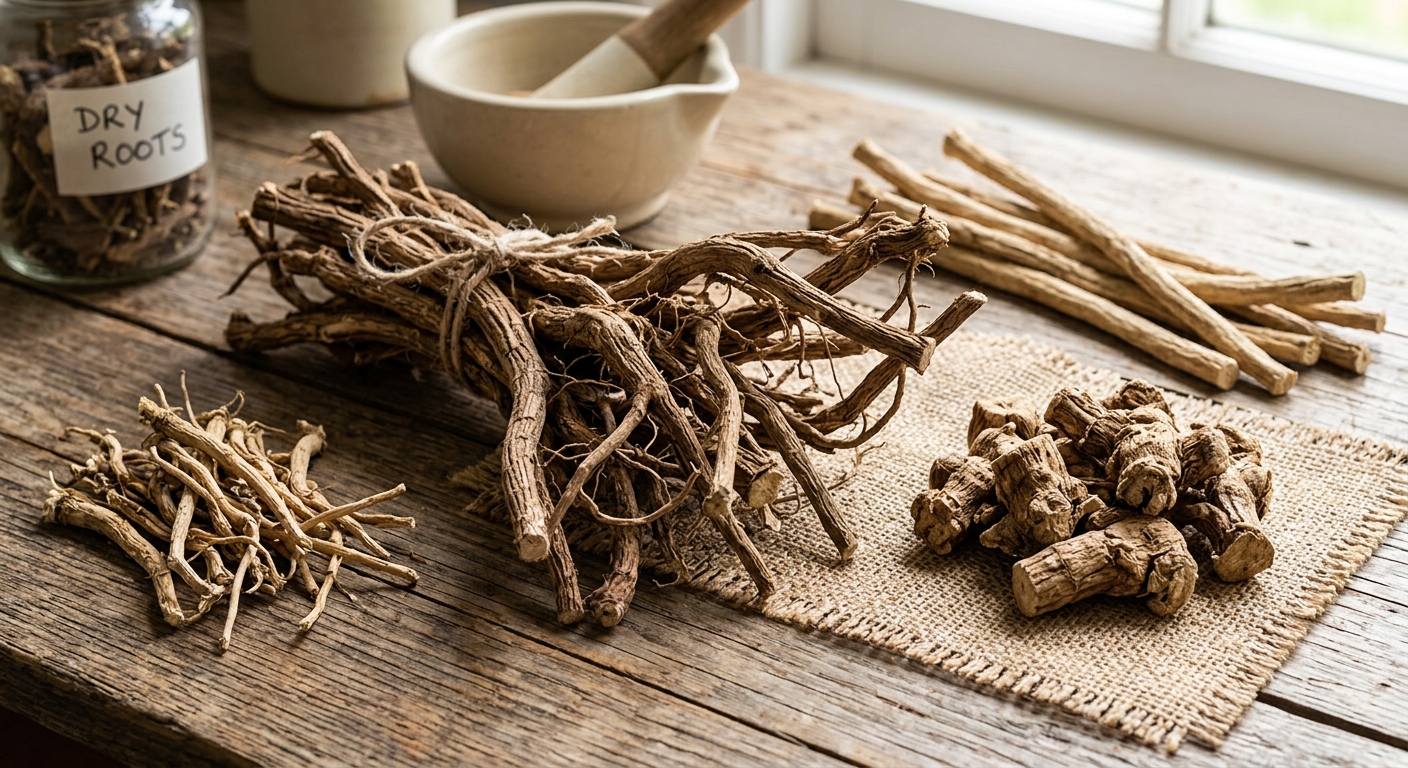
Kava Kava Root Brew
Anxiety, mental tension, muscle spasms, insomnia
Region
Oceania / Pacific Islands
Tradition
Polynesian & Melanesian traditional medicine
Era
3000+ years of Pacific island use
Science
Yes
Today
Widely Practiced Today
Instructions
Traditional logic
Calms overactive spirit (mana) and relaxes body tension without clouding mind
Background & history
FACT-CHECK: history and anxiolytic effect fully verified. Important modern safety note not otherwise captured: kava was linked to documented liver-toxicity cases in the early 2000s, leading to temporary bans/restrictions in Germany, Switzerland & Canada — now understood to be associated largely with non-traditional extraction methods (using stems/leaves or non-water solvents) rather than the traditional water-based root preparation.
Where it comes from
Oceania / Pacific Islands
Community notes
Loading notes…
This is a historical and cultural reference, not medical advice. Many of these remedies have never been scientifically validated, and folk reasoning (humoral theory, “hot/cold” classifications, spiritual causation) reflects older explanatory traditions rather than modern medicine. Ratings reflect community opinion, not clinical evidence.
Related remedies for Anxiety, mental tension, muscle spasms, insomnia
Apple Cider Vinegar & Honey (Honegar)
Sore throat, arthritis (folk claim), general tonic
United States
Garlic
Infections, colds, high blood pressure, parasites
Egypt · Greece · India · China · Persia
Black Seed, Honey & Olive Oil Trio
General wellness, immune support, fatigue
Arabian Peninsula