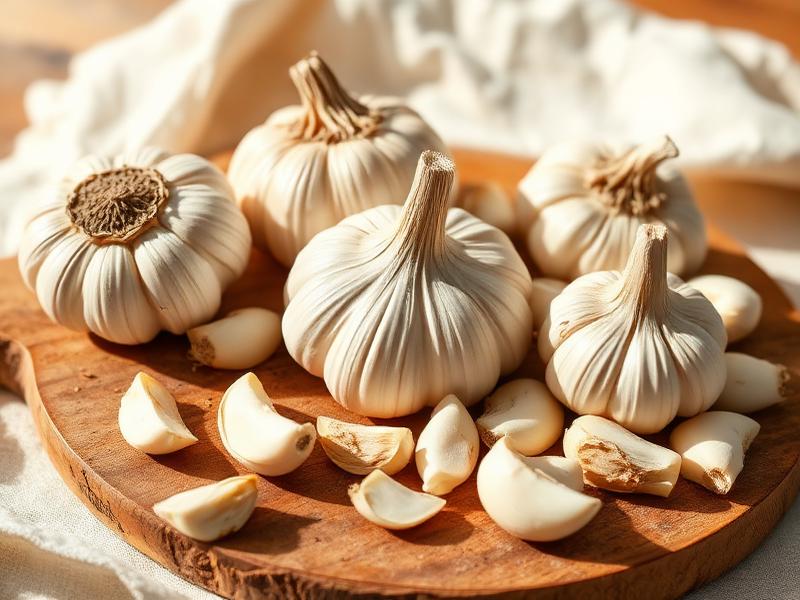
Garlic
Infections, colds, high blood pressure, parasites
Region
Independently Egypt, Greece, India, China, Persia
Tradition
Nearly universal across ancient civilizations
Era
Documented in Egyptian, Greek, Indian, Chinese, Persian texts
Science
Yes
Today
Widely Practiced Today
Instructions
Traditional logic
Pungent smell/taste associated with 'cleansing' or strengthening force across cultures
Background & history
Egyptians reportedly fed garlic to laborers and enslaved people to sustain productivity; ancient Greek Olympic athletes were fed garlic before competing. The Ayurvedic Bower Manuscript calls it a 'Universal Remedy.' Used as a penicillin substitute by the Russian army in WWI, earning the nickname 'Russian penicillin.'
Where it comes from
Independently Egypt, Greece, India, China, Persia
Community notes
Loading notes…
This is a historical and cultural reference, not medical advice. Many of these remedies have never been scientifically validated, and folk reasoning (humoral theory, “hot/cold” classifications, spiritual causation) reflects older explanatory traditions rather than modern medicine. Ratings reflect community opinion, not clinical evidence.
Related remedies for Infections, colds, high blood pressure, parasites
Golden Milk/Haldi Doodh (Turmeric milk)
Colds, Cough, Congestion, Sore Throat
India
Ginger Tea (Wind-Cold)
Common cold, chills, body aches
China
Chicken Soup ('Jewish Penicillin')
Colds, flu, weakness, convalescence
Middle East · Mediterranean · China