Kakadu Plum
Immune support, infection-fighting
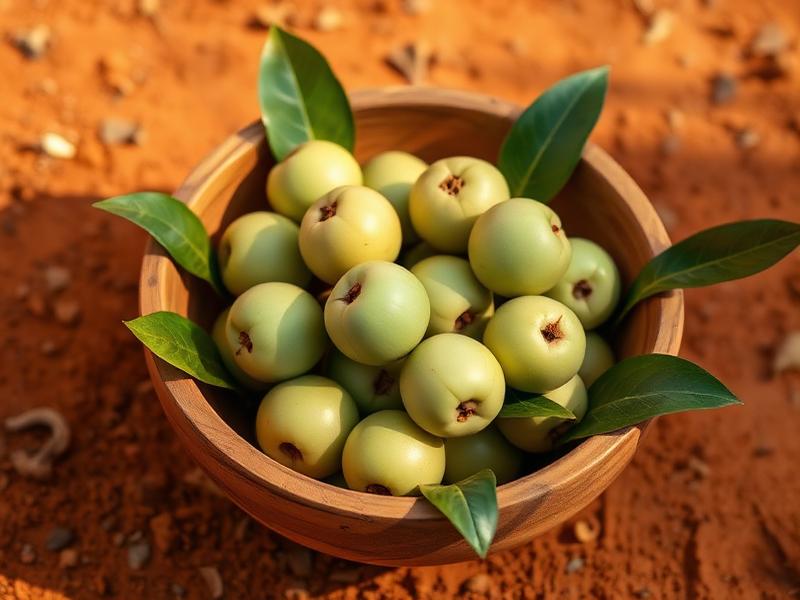
Region
Northern Territory / Western Australia
Tradition
Aboriginal Australian bush medicine
Era
Millennia of use as food and medicine
Science
Yes
Today
Widely Practiced Today
Instructions
Traditional logic
World's richest known source of vitamin C, used traditionally to fight infection
Background & history
no further information
Where it comes from
Northern Territory / Western Australia
Community notes
Loading notes…
This is a historical and cultural reference, not medical advice. Many of these remedies have never been scientifically validated, and folk reasoning (humoral theory, “hot/cold” classifications, spiritual causation) reflects older explanatory traditions rather than modern medicine. Ratings reflect community opinion, not clinical evidence.
Related remedies for Immune support, infection-fighting
Black Seed (Black Cumin/Nigella Sativa)
Cough, asthma, general immunity
Western Asia · Middle East
Echinacea
Colds, sore throat, infections, wounds
North America
Apple Cider Vinegar & Honey (Honegar)
Sore throat, arthritis (folk claim), general tonic
United States