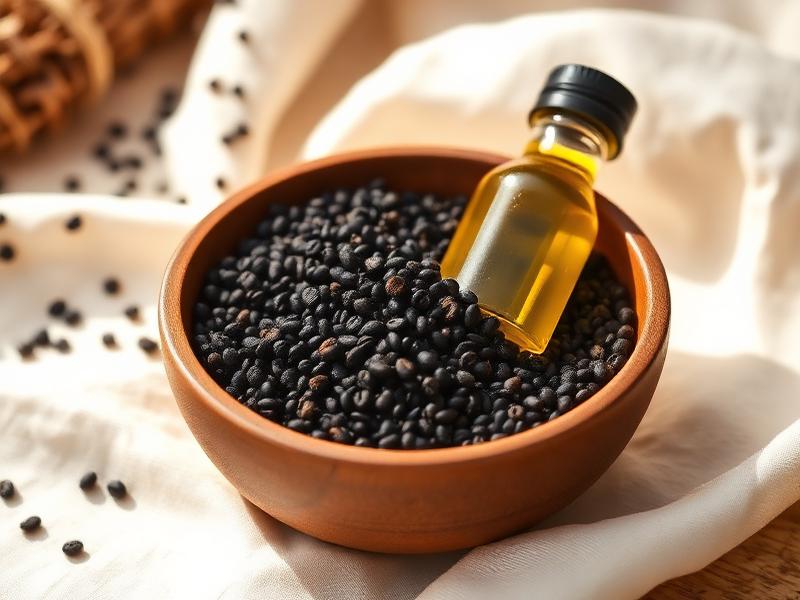
Black Seed (Black Cumin/Nigella Sativa)
Cough, asthma, general immunity
Region
Western Asia / Middle East
Tradition
Islamic Prophetic Medicine (Tibb al-Nabawi); also ancient Egypt, Greece
Era
Ancient Egypt (Tutankhamun's tomb); codified by Avicenna, 11th c.
Science
Partial
Today
Widely Practiced Today
Instructions
Traditional logic
Endorsed in hadith as broad cure; Avicenna described it as an expectorant
Background & history
A hadith attributed to the Prophet Muhammad describes it as 'a cure for every disease except death' (read by scholars as emphasizing broad usefulness, not literal omnipotence). Also traditionally crushed and sniffed for congestion, or sprinkled on bread.
Where it comes from
Western Asia / Middle East
Community notes
Loading notes…
This is a historical and cultural reference, not medical advice. Many of these remedies have never been scientifically validated, and folk reasoning (humoral theory, “hot/cold” classifications, spiritual causation) reflects older explanatory traditions rather than modern medicine. Ratings reflect community opinion, not clinical evidence.
Related remedies for Cough, asthma, general immunity
Golden Milk/Haldi Doodh (Turmeric milk)
Colds, Cough, Congestion, Sore Throat
India
Ginger Tea (Wind-Cold)
Common cold, chills, body aches
China
Chicken Soup ('Jewish Penicillin')
Colds, flu, weakness, convalescence
Middle East · Mediterranean · China