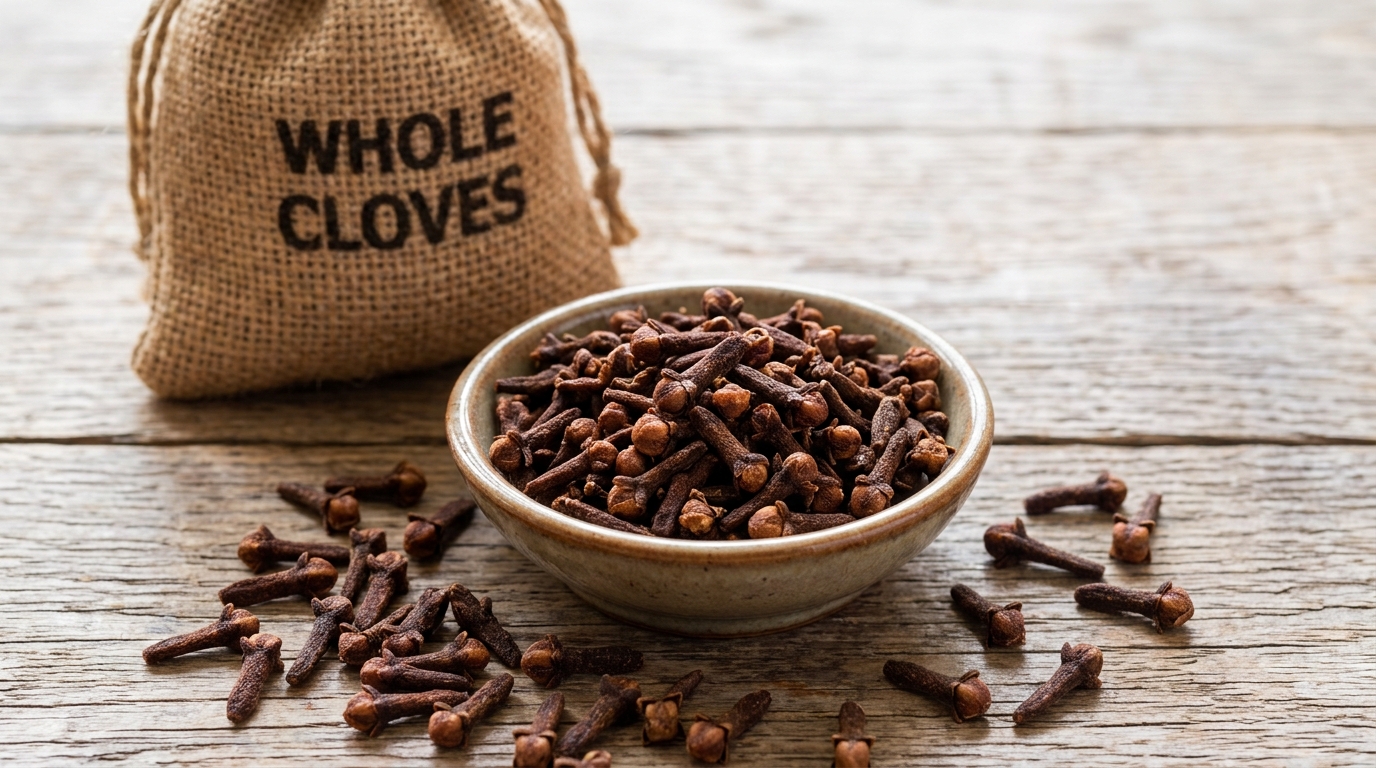
Clove Oil / Whole Cloves
Toothache, gum pain, oral infections
Region
Southeast Asia / South Asia
Tradition
Indonesian (Moluccan) & Ayurvedic tradition
Era
Ancient spice trade (~200 BCE documented in Han Dynasty China)
Science
Yes
Today
Widely Practiced Today
Instructions
Traditional logic
Strong numbing sensation believed to kill pain and clear localized infection
Background & history
FACT-CHECK: repaired from a column-misalignment error. History fully verified (Han Dynasty ~200 BCE, Moluccan origin). Eugenol (clove's active compound) remains used in dentistry today for temporary fillings and periodontal gels.
Where it comes from
Southeast Asia / South Asia
Community notes
Loading notes…
This is a historical and cultural reference, not medical advice. Many of these remedies have never been scientifically validated, and folk reasoning (humoral theory, “hot/cold” classifications, spiritual causation) reflects older explanatory traditions rather than modern medicine. Ratings reflect community opinion, not clinical evidence.
Related remedies for Toothache, gum pain, oral infections
Willow Bark
Pain, fever, inflammation
North America · Egypt
Echinacea
Colds, sore throat, infections, wounds
North America
Gua Sha / Scraping
Fever, headache, chills, muscle pain, 'catching wind'
China · Vietnam