Willow Bark
Pain, fever, inflammation
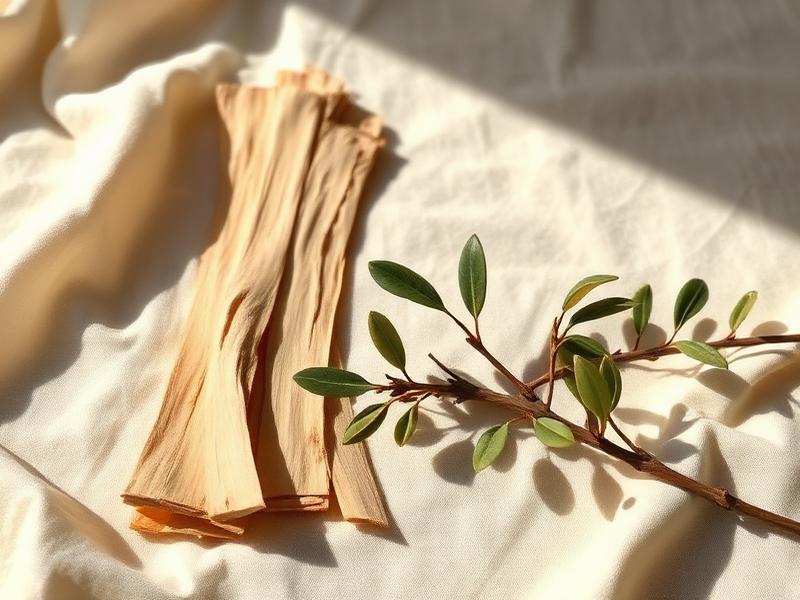
Region
North America; independently Egypt
Tradition
Native American tribal medicine (Cheyenne, Ojibwe, etc.); Egyptian Ebers Papyrus
Era
Ancient; entered Western medicine 1763 (Edward Stone)
Science
Yes
Today
Niche / Regional
Instructions
Traditional logic
Bitterness used as a heuristic for potency (like cinchona bark); later found to contain salicin (aspirin precursor)
Background & history
English clergyman Edward Stone chewed willow bark in the 1760s after noting its bitterness resembled cinchona bark (then used for malaria), tested it on his own fever, and brought it into Western medical literature in 1763. Salicin was eventually modified into aspirin, patented by Bayer chemist Felix Hoffmann in 1897.
Where it comes from
North America; independently Egypt
Community notes
Loading notes…
This is a historical and cultural reference, not medical advice. Many of these remedies have never been scientifically validated, and folk reasoning (humoral theory, “hot/cold” classifications, spiritual causation) reflects older explanatory traditions rather than modern medicine. Ratings reflect community opinion, not clinical evidence.
Related remedies for Pain, fever, inflammation
Echinacea
Colds, sore throat, infections, wounds
North America
Gua Sha / Scraping
Fever, headache, chills, muscle pain, 'catching wind'
China · Vietnam
Devil's Claw
Joint & muscle pain, inflammation
Southern Africa