Chuchuhuasi Bark
Severe osteoarthritis, rheumatoid joint pain, back pain
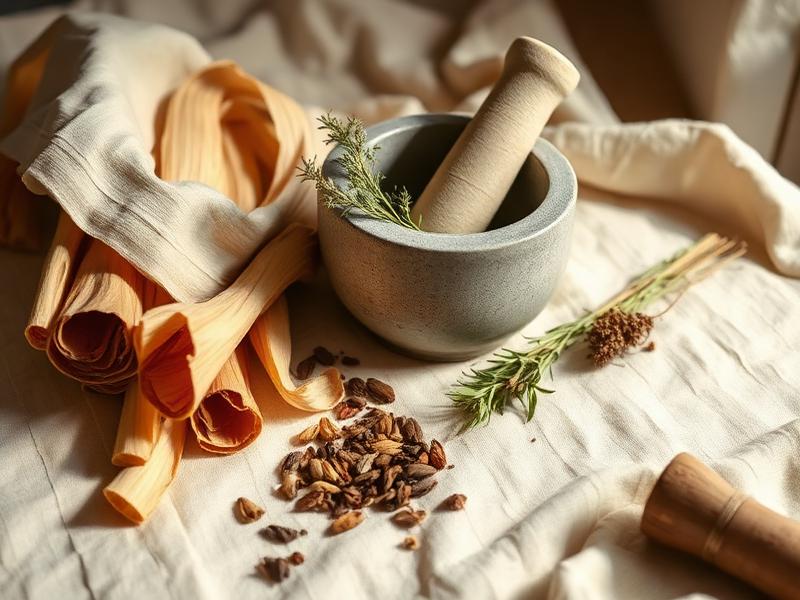
Region
Western Amazon Basin
Tradition
Indigenous Amazonian (Shuar, Kichwa)
Era
Pre-Columbian antiquity
Science
Partial
Today
Widely Practiced Today
Instructions
Traditional logic
Sturdy tree trunk's physical endurance believed to strengthen human joints
Background & history
FACT-CHECK: repaired from a column-misalignment error. Amazonian/Peruvian use fully verified (name means 'trembling back'). A 2017 randomized double-blind clinical trial in Peru found improved joint pain, function & mobility in osteoarthritis patients after 4 weeks — one of the few Amazonian remedies with a published human RCT.
Where it comes from
Western Amazon Basin
Community notes
Loading notes…
This is a historical and cultural reference, not medical advice. Many of these remedies have never been scientifically validated, and folk reasoning (humoral theory, “hot/cold” classifications, spiritual causation) reflects older explanatory traditions rather than modern medicine. Ratings reflect community opinion, not clinical evidence.
Related remedies for Severe osteoarthritis, rheumatoid joint pain, back pain
Willow Bark
Pain, fever, inflammation
North America · Egypt
Echinacea
Colds, sore throat, infections, wounds
North America
Gua Sha / Scraping
Fever, headache, chills, muscle pain, 'catching wind'
China · Vietnam