Back to explore
Respiratory & Cold

Banya (Russian Steam Bath)

Stuffy nose, muscle tension, general illness
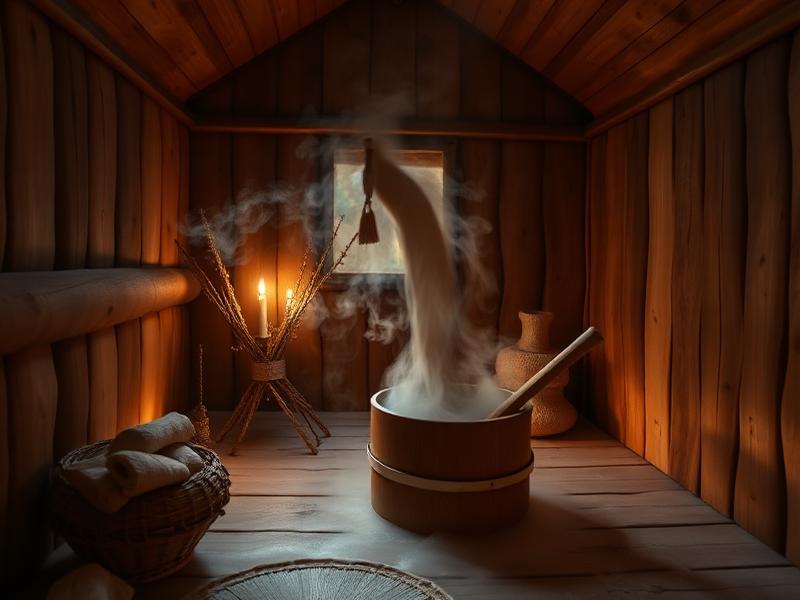
AilmentsNasal CongestionMuscle TensionGeneral Wellness
Banya (Russian Steam Bath) — traditional remedy ingredients
No ratings yet — be the first.

Region

Russia

Tradition

Slavic / Russian folk tradition

Era

Originated Veliky Novgorod, Viking-era settlement

Science

Partial

Today

Widely Practiced Today

Instructions

Ingredients
A traditional banya/sauna with a heated stove (parilka), or a home sauna/steam room as a substitute
A venik: a bundle of birch, oak, or eucalyptus branches and leaves
Towels, a sauna hat (optional)

Step-by-Step
Prepare the venik: soak it in warm water for 10 to 15 minutes to soften the leaves and release their aroma.
Warm up gradually: sit in the steam room (parilka) on a lower, cooler bench first to let your body adjust to the heat.
Steam massage (parenie): once warmed up, a partner uses the soaked venik to gently pat, tap, and waft hot air across your body — starting at the feet and moving upward, then repeating on the arms and back. This is a steam massage, not a beating.
Cool down: after 5 to 10 minutes, leave the steam room and cool off with a cold plunge, shower, or (in Siberia) a roll in snow.
Rest for 5 to 10 minutes, then repeat the steam-and-cool cycle 2 to 3 times.

Tips
Take off all metal jewelry before entering, since the parilka reaches roughly 70 to 80°C (158 to 176°F).
Do not enter the steam room if you're feverish, seriously ill, or have a chronic condition, without a doctor's clearance.
If you feel dizzy or unwell, leave the steam room immediately and rest.

Traditional logic

High heat/steam believed to relax muscles, cleanse lungs, and clear congestion

Background & history

no further information

Where it comes from

Russia

Highlighted on the map: Russia

Rate this remedy

No account needed. You can change your rating any time from this browser.

Tap to rate

This is a historical and cultural reference, not medical advice. Many of these remedies have never been scientifically validated, and folk reasoning (humoral theory, “hot/cold” classifications, spiritual causation) reflects older explanatory traditions rather than modern medicine. Ratings reflect community opinion, not clinical evidence.

Related remedies

Admin