Local Raw Honey for Hay Fever
Seasonal allergies, hay fever, throat irritation
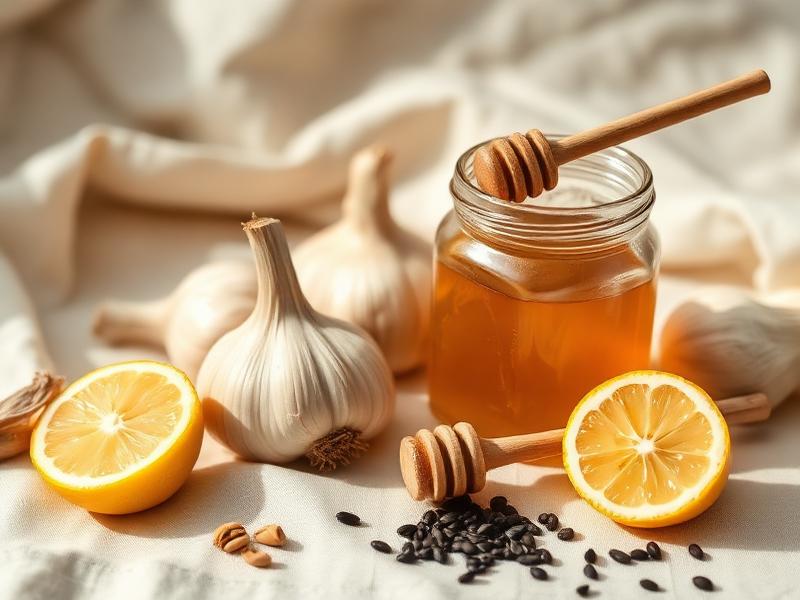
Region
North America
Tradition
Rural European and North American folk practice
Era
19th century onward
Science
Untested
Today
Widely Practiced Today
Instructions
Traditional logic
Eating local pollen in honey was believed to accustom the body to the pollen in the air
Background & history
no further information
Where it comes from
North America
Community notes
Loading notes…
This is a historical and cultural reference, not medical advice. Many of these remedies have never been scientifically validated, and folk reasoning (humoral theory, “hot/cold” classifications, spiritual causation) reflects older explanatory traditions rather than modern medicine. Ratings reflect community opinion, not clinical evidence.
Related remedies for Seasonal allergies, hay fever, throat irritation
Golden Milk/Haldi Doodh (Turmeric milk)
Colds, Cough, Congestion, Sore Throat
India
Echinacea
Colds, sore throat, infections, wounds
North America
Apple Cider Vinegar & Honey (Honegar)
Sore throat, arthritis (folk claim), general tonic
United States
Frequently asked questions
Is Local Raw Honey for Hay Fever good for allergies?
Local Raw Honey for Hay Fever has not been scientifically tested for allergies. It remains a traditional practice, and this page is a cultural reference, not medical advice.
How do you use Local Raw Honey for Hay Fever for allergies?
Ingredients Raw local honey: 1 teaspoon Step-by-Step Take a teaspoon of raw honey from hives near where you live. Eat it plain or stirred into cool water, once a day. Traditionally started several weeks before the local pollen season. Tips Heating destroys what folk practice values here, so it is t…
Where does the Local Raw Honey for Hay Fever tradition come from?
Local Raw Honey for Hay Fever comes from the Rural European and North American folk practice tradition, originating in North America, Europe. It dates to 19th century onward.
Is Local Raw Honey for Hay Fever still used today?
Local Raw Honey for Hay Fever is widely practiced today.