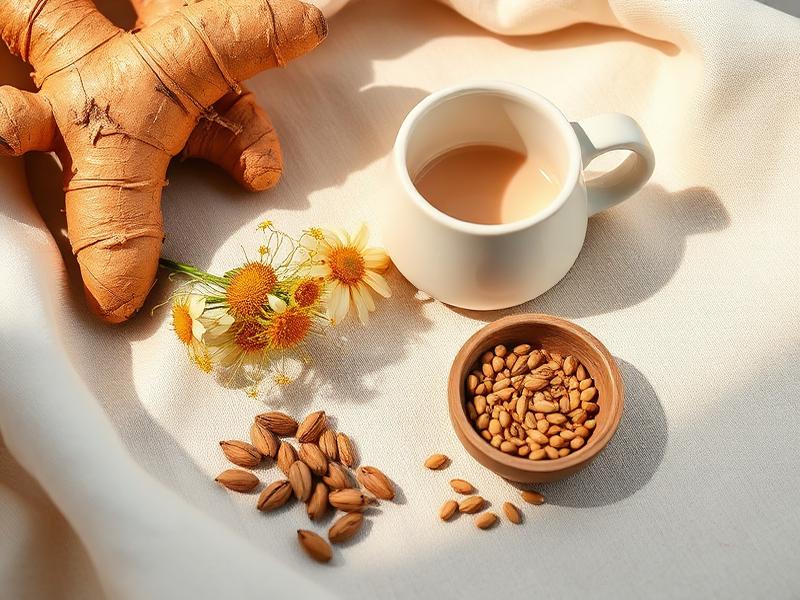
Fenugreek Seeds
High blood sugar/diabetes management, low breast milk supply, digestive complaints
Region
Egypt / Middle East / India
Tradition
Ancient Egyptian medicine; Ayurveda; Middle Eastern/Arabic herbal tradition
Era
Seeds found in Tutankhamun's tomb (~1323 BCE); cultivated since at least the 7th century BCE
Science
Partial
Today
Widely Practiced Today
Instructions
Traditional logic
Bitter, mucilaginous seeds believed to 'cleanse' and regulate the body's internal processes, and to nourish and increase a nursing mother's milk
Background & history
One of the oldest continuously cultivated medicinal plants in the world. Small clinical studies show modest blood-sugar and lactation benefits, though the American Diabetes Association states current evidence remains too limited to formally recommend it for diabetes management.
Where it comes from
Egypt / Middle East / India
Community notes
Loading notes…
This is a historical and cultural reference, not medical advice. Many of these remedies have never been scientifically validated, and folk reasoning (humoral theory, “hot/cold” classifications, spiritual causation) reflects older explanatory traditions rather than modern medicine. Ratings reflect community opinion, not clinical evidence.
Related remedies for High blood sugar/diabetes management, low breast milk supply, digestive complaints
Manzanilla (Chamomile) Tea
Stomachaches, colic, nervousness, sleeplessness
Europe · Latin America
Ginger for Nausea
Nausea, motion sickness, indigestion
China
Empacho Egg-Rub Diagnosis
Empacho (folk digestive blockage)
Mexico