Chios Mastic Gum
Peptic ulcers, stomach burning, gastritis, halitosis
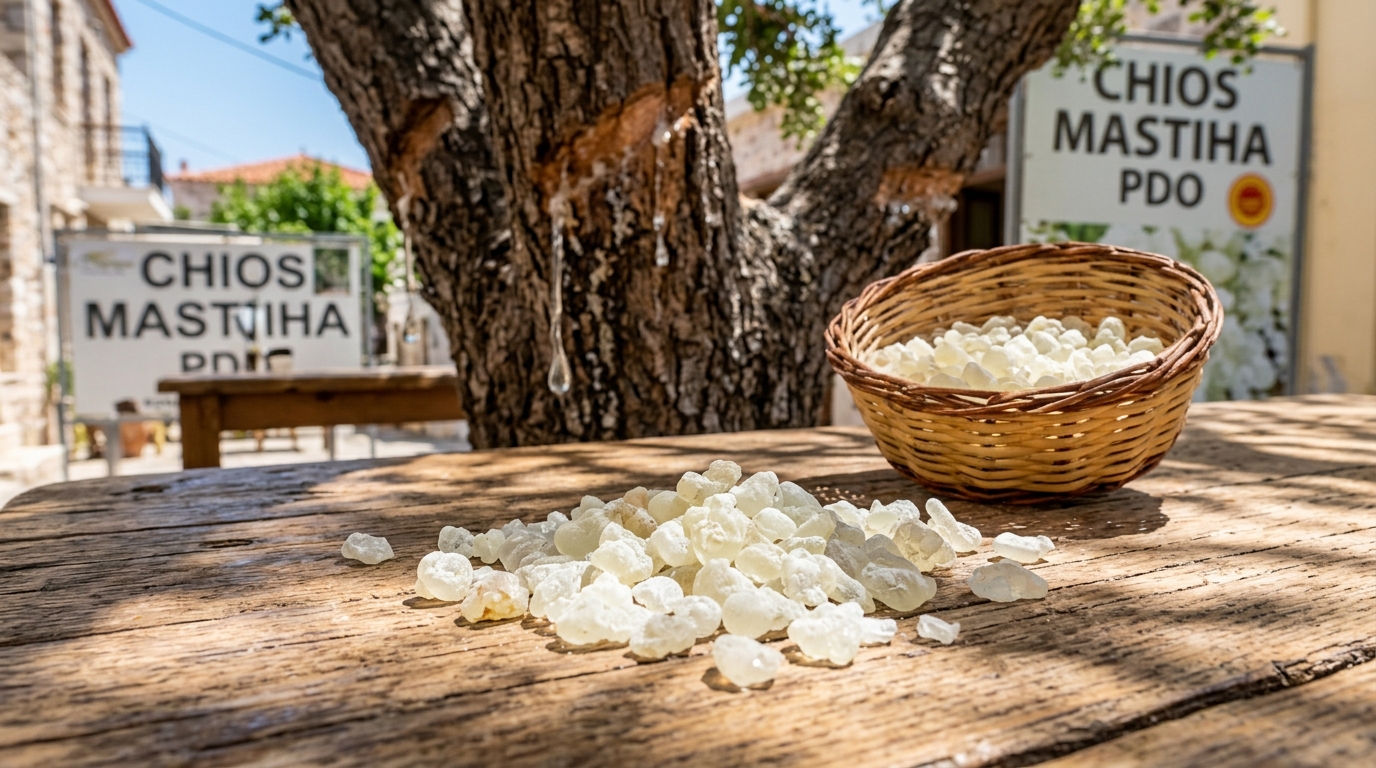
Region
Greece (Chios Island)
Tradition
Greco-Roman & Ottoman medicine
Era
5th century BCE (Herodotus, Dioscorides, Galen)
Science
Yes
Today
Widely Practiced Today
Instructions
Traditional logic
Resin coats gastric lining to seal internal ulcers and cool stomach heat
Background & history
FACT-CHECK: fully verified, including the specific Herodotus/Dioscorides/Galen attribution. Modern research has confirmed activity against Helicobacter pylori, the bacterium primarily responsible for peptic ulcers.
Where it comes from
Greece (Chios Island)
Community notes
Loading notes…
This is a historical and cultural reference, not medical advice. Many of these remedies have never been scientifically validated, and folk reasoning (humoral theory, “hot/cold” classifications, spiritual causation) reflects older explanatory traditions rather than modern medicine. Ratings reflect community opinion, not clinical evidence.
Related remedies for Peptic ulcers, stomach burning, gastritis, halitosis
Manzanilla (Chamomile) Tea
Stomachaches, colic, nervousness, sleeplessness
Europe · Latin America
Ginger for Nausea
Nausea, motion sickness, indigestion
China
Empacho Egg-Rub Diagnosis
Empacho (folk digestive blockage)
Mexico